Why US Customs & CPSC Target Toy Shipments
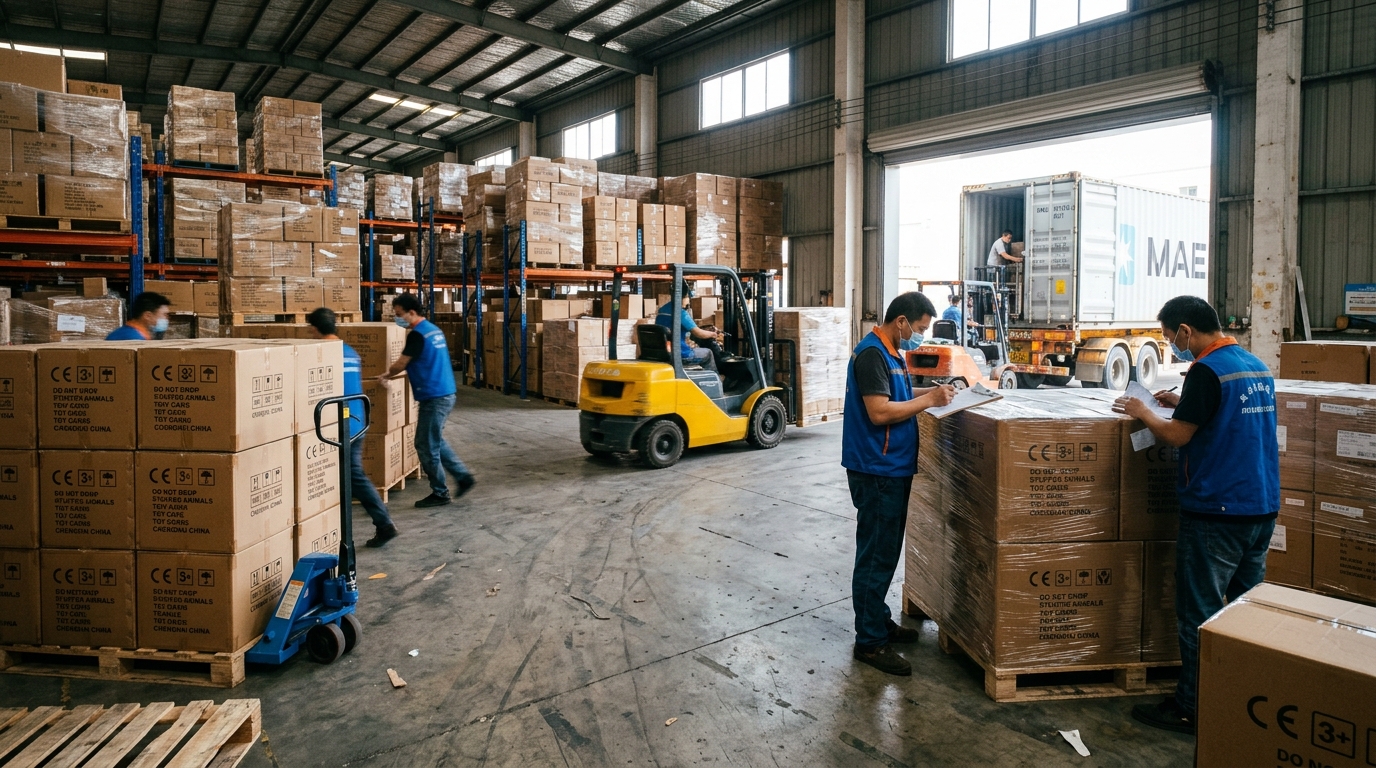
The U.S. Consumer Product Safety Commission (CPSC) collaborates directly with U.S. Customs and Border Protection (CBP) at major ocean ports (including Los Angeles, Long Beach, and New York/New Jersey) using automated screening algorithms. Toy containers are among the most heavily targeted consumer categories for physical exam holds and detention.
A container detention can cost importers $500 to $1,500 daily in port demurrage and storage fees, while potentially causing missed seasonal retail launch dates. Over 90% of toy detentions are caused by two paperwork errors: an improperly drafted Children's Product Certificate (CPC) or missing CPSIA Section 103 permanent tracking labels.
The 7 Mandatory Elements of a Valid Children's Product Certificate (CPC)
Federal law requires the US importer of record to issue a formal CPC based on passing test results from a CPSC-accepted laboratory. A valid CPC must contain these seven elements:
1. **Identification of the Product**: Detailed description, SKU/Item number, and color variations covered by the certificate.
2. **Citation of Applicable Safety Rules**: Explicit listing of each applicable rule (e.g., 16 CFR Part 1250 / ASTM F963-23, 16 CFR Part 1303 for lead in paint, 16 CFR Part 1307 for phthalates).
3. **Identification of the Importer / Domestic Certifier**: Legal company name, physical address, and telephone number in the United States.
4. **Custodian of Test Records**: Name, full mailing address, email, and phone number of the individual maintaining test records.
5. **Date and Place of Manufacture**: Month and year of manufacture, and the manufacturing city/province (Chenghai, Shantou, Guangdong, China).
6. **Date and Place of Safety Testing**: Date of testing and physical location where laboratory tests were executed.
7. **Third-Party CPSC-Accepted Testing Laboratory**: Full legal name, CPSC lab ID number, address, and contact number of the laboratory (e.g., SGS, Intertek, or TÜV Rheinland).
CPSIA Section 103 Tracking Labels: On Product and Packaging
Under Section 103 of the Consumer Product Safety Improvement Act (CPSIA), all children's products must bear permanent, distinguishing tracking marks located on both the physical toy and its immediate retail packaging.
These markings must enable the end consumer to determine the manufacturer, cohort production date, batch lot number, and geographic origin. WishTime Toys includes mold-engraved tracking codes on internal battery doors and laser-printed batch codes on master export cartons, ensuring complete regulatory compliance.
Official Industry References & Regulatory Standards Mentioned in This Guide:
- Testing & Certification Bodies: SGS International | Intertek Group | TÜV Rheinland | Bureau Veritas
- Toy Safety & Regulatory Directives: ASTM F963-23 Standard | European Commission Toy Safety Directive (EN71) | U.S. Consumer Product Safety Commission (CPSC)
- Factory Social & Quality Audits: amfori BSCI | ICTI Ethical Toy Program (IETP) | Sedex SMETA | ISO 9001:2015
- Industrial Machinery & Global Retail: Haitian International | Sumitomo Heavy Industries | The Toy Association | Maersk Ocean Line